
Lizs Diamond Portal

Shop Stunning Diamond Jewelry at Liz’s Diamond Collection

What is lab-grown diamonds?

Lab-grown, synthetic, or cultured diamonds are artificial gemstones with the same chemical and physical properties as mined diamonds. They have the same crystal structure as mined diamonds, with carbon atoms arranged in a tetrahedral lattice. This remarkable similarity in structure makes it almost impossible to distinguish between the two species without special equipment.

How are lab-grown diamonds created?

Creating lab-grown diamonds is a fascinating combination of science and technology. Two main methods for producing these diamonds are high pressure and high temperature (HPHT) and chemical vapor deposition (CVD).

  • HPHT method: In this method, a tiny diamond seed is placed in a press where it is subjected to high pressures and high temperatures that mimic the conditions that exist deep in the Earth’s mantle where the mined diamonds are formed. Carbon-containing gases are introduced, and over time, the carbon atoms attach to the seed crystal, gradually transforming it into a larger diamond.
  • CVD method: In the chemical vapor deposition method, a diamond seed is placed in a chamber filled with hydrocarbon gas. The gas is ionized into carbon and hydrogen ions, which are deposited layer by layer on the seed to form a diamond crystal. This method allows for better control over the growth and clarity of the diamond.

Both methods result in stunning high-quality diamonds that are physically and chemically identical to the mined diamonds.

Benefits of lab-grown diamond rings

Cost Efficiency
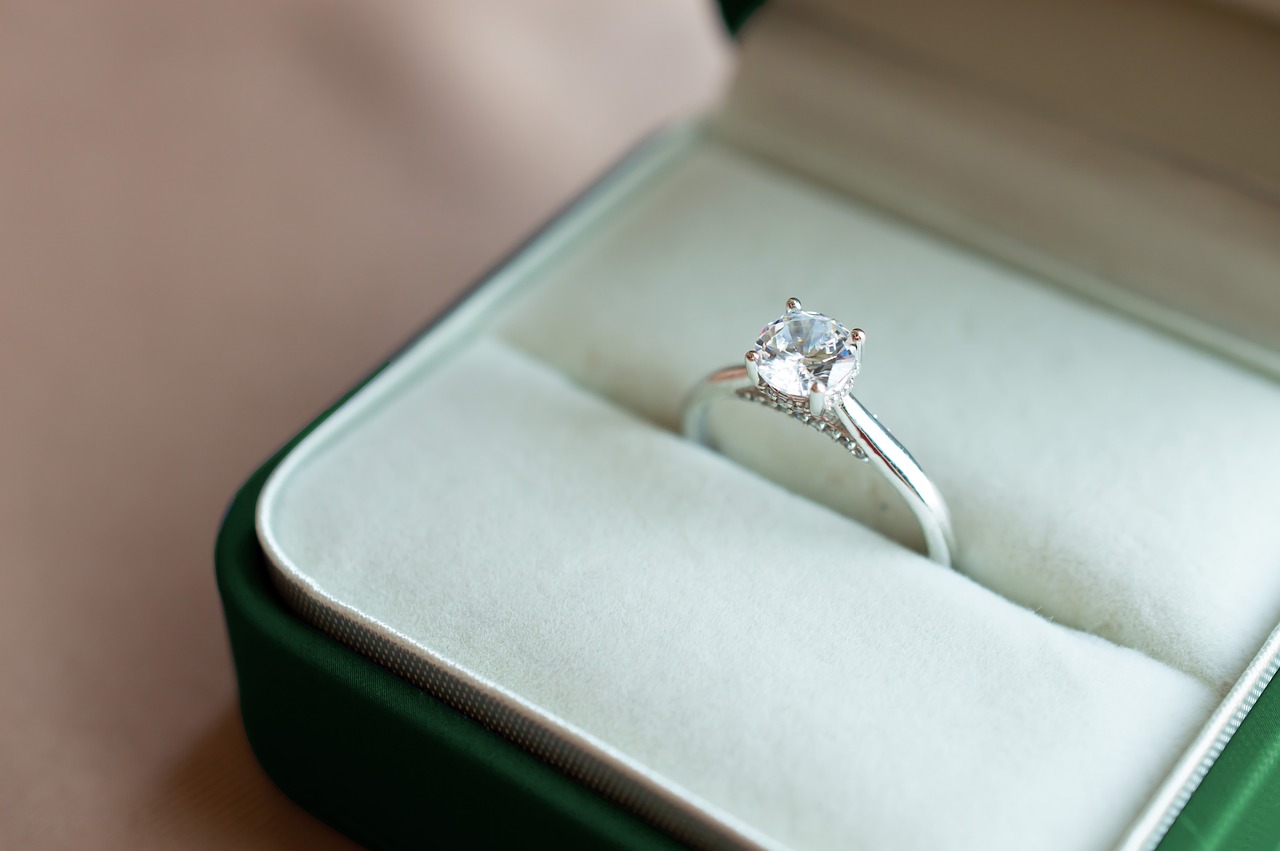
This tradition gained even more popularity in the 20th century with De Beers’ iconic slogan, “A Diamond Is Forever,” cementing the diamond’s status as the ultimate expression of commitment. Today, giving a diamond engagement ring is a meaningful way to honour this deeply rooted tradition. For more info, please visit https://www.moimoi.com.au/engagement-rings/lab-grown-diamond/

One of the most significant advantages of lab-grown diamonds is their cost-effectiveness. These gemstones typically cost 20-40% less than their natural counterparts of similar size and quality. This affordability allows consumers to choose more extensive or intricate jewelry with lab-grown diamonds without spending more.

Ethical Sources

Unlike mined diamonds, often associated with conflict and human rights abuses in some mining regions, lab-grown diamonds have an ethical advantage. They are produced under controlled conditions, eliminating the moral problems associated with diamond mining.

Ecological Compatibility

Lab-grown diamonds have a lower environmental impact compared to their natural counterparts. Mining mined diamonds can be environmentally destructive, while producing lab-grown diamonds requires significantly less land and energy.

Cleanliness And Customization

Lab-grown diamonds can be created with fewer impurities than mined diamonds, resulting in gemstones of exceptional purity. In addition, they can be customized in size, shape, and even color, giving more options to consumers looking for unique and personalized jewelry.

Ethical and environmental aspects

Ethical Sources

As mentioned earlier, lab-grown diamonds are an ethical choice for consumers who want to avoid being involved in the conflict diamond trade. By choosing lab-grown diamonds, you can be sure your purchase does not contribute to unethical practices. Learn More here.

Environmental Impact

Although lab-grown diamonds have a lower environmental impact than their mined counterparts, it is essential to consider the energy sources used in their production. Some labs use renewable energy, while others may rely on fossil fuels. When buying a lab-grown diamond, it is recommended to inquire about the energy sources in the laboratory.

Recycling

Lab-grown diamonds are inherently recyclable, as they can be removed from the setting and recycled into new jewelry. This reduces the demand for new diamond mining and its environmental impact. Learn More…

Tips for selecting and styling a diamond engagement ring with flair.

Diamonds often get placed in a setting made of gold because it is thought that the cool metal brings out the color of flawlessly clear stones beautifully. Moreover, white gold is highly durable due to its palladium, nickel, or platinum components, making it as resilient as the diamond it holds.

Diamond jewelry appears softer and more elegant when set in lemon or rose gold, a pairing often hailed for its charm.

If making a decision feels challenging for you, consider lab-grown diamond rings as an emblem of love and eco-friendliness.

This writing will dive into the rising trend of lab-grown diamond rings being embraced as a sign of love and eco-friendliness, delving into their production process and benefits and looking ahead to the promising future they hold for us all. For generations, diamonds have been cherished for their enduring allure and the significance of love and dedication they embody; however, traditional practices within the diamond industry have sparked concerns regarding sourcing and sustainability issues. Enter lab-grown diamond rings: a forward-thinking alternative that captures the same stunning beauty and addresses these pressing concerns head-on. Learn More here.

Choose a style of engagement ring to go with

A tapeworm is similar to a diamond ring in picturing a stone at its center—a symbol often seen in engagement rings where the solitaire represents a commitment to one lifelong partner and a love bond forever shared. Nevertheless, this design can be part of your jewelry collection beyond wedding associations; it’s versatile enough for wear without needing to remove it.

The Ring of Eternity symbolizes everlasting love, with a diamond pathway encircling it without a start or finish point. Back in the century, these rings were known as “keepers.” They were worn on the ring finger above wedding bands to prevent them from sliding off.

Today’s trend in selecting eternity rings is driven more by aesthetics than practicality; their affordability sets them apart from items featuring a giant gemstone.

The stunning solitaire ring features a gemstone encircled by diamonds in a pave setting to visually enhance its appearance and significance. The concept of halo rings originated in the 1920s during the Art Deco period. It draws its name from the effect known as a halo—a luminous glow resembling a “halo”—that surrounds the Sun.

Keep the 4Cs principle in mind.

The four aspects of diamonds are known as the 4Cs: Carat weight, Clarity, Color, and Cut. When buying a diamond, request a certificate for the piece you’re interested in; it should include all the necessary details.

Diamonds come in sizes based on their weight—small (less than 0.30 carats), medium (0.30 to 0.99 carats), and large (over 1 carat)—with no certification for the smallest ones. A diamond’s value is determined by its weight and category; for instance, the price of a 0.50-carat medium diamond is roughly half that of a 1-carat diamond and approximately three times higher than a 0.30-carat small one.

Opting for stones near the weight threshold cutoff point can result in significant savings when purchasing jewelry gems like diamonds! For instance, a 0.99-carat diamond appears identical to a 1-carat diamond but comes at a noticeably lower cost.

Quality assessment involves examining imperfections internally present in the gemstone, such as dots and air bubbles within the stone and hollow spaces that impact its purity rating from 1 to 12. From flawless to visibly included without any aid of magnification tools, except for stones falling within the last category where these flaws are discernible only under magnification ten times greater than the naked eye. There’s no need to pursue “diamond water”; even a flawed stone will gleam brilliantly from a distance.

When it comes to color in diamonds, white stones are the focus, while diamonds of hues like yellow, pink, green, orange, and blue are assessed using a different criterion. Completely colorless or bluish stones in groups 1 and 2 are seen as flawless, whereas at the end of the spectrum are gems with a distinct yellowish or brownish tint in group 9. In life, the distinction between the group and the fifth one isn’t all that striking; the latter has a slightly warmer undertone. Learn More

…